admin

5 Best Drinks for Instant Bloating Relief

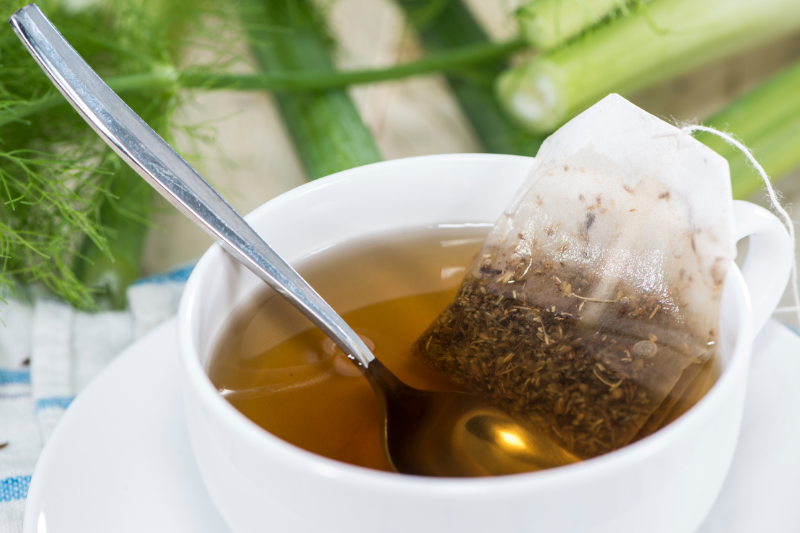
That heavy, swollen, gassy feeling after a meal? We’ve all been there. Bloating can make you feel sluggish and uncomfortable—but the right drink can bring quick relief. Here are the 5 best drinks for instant bloating relief that soothe your stomach and improve digestion naturally. 1. CCF Tea (Cumin, Coriander & Fennel) This classic Ayurvedic blend supports digestion, reduces gas, and calms inflammation. Cumin improves bile flow, coriander cools the digestive tract, and fennel relaxes the intestinal muscles—making it one of the most powerful natural remedies for bloating. Hack: Boil ½ tsp each of cumin, coriander, and fennel seeds in 2 cups water. Strain and sip warm after meals.   2. Ginger Tea Ginger stimulates digestive enzymes, speeds up gastric emptying, and reduces intestinal inflammation—helping trapped gas move through more quickly. Hack: Steep fresh ginger slices in hot water, add a dash of lemon for extra freshness.   3. Fennel Seed Water Fennel contains anethole, a compound that relaxes the gut muscles and prevents gas formation. That’s why fennel seeds are often chewed after meals in Indian households. Hack: Boil 1 tsp fennel seeds in water, strain, and sip warm after meals.   4. Lemon Water Lemon water helps stimulate stomach acid production and supports bile flow, which aids smoother digestion. It also helps reduce water retention, often mistaken for bloating. Hack: Start your morning with warm lemon water to keep bloating at bay.   5. Ajwain (Carom Seed) Tea Ajwain seeds are rich in thymol, a compound that improves digestion, relieves indigestion, and reduces gas formation in the intestines. It’s a time-tested home remedy for bloating and stomach cramps. Hack: Boil 1 tsp ajwain seeds in a cup of water, strain, and drink warm. Final Thoughts When bloating strikes, reaching for the right drink can bring instant relief. Teas like CCF, ginger, fennel, lemon water, and ajwain not only ease discomfort but also improve overall gut health when taken regularly. For best results, combine these drinks with mindful eating habits—chewing slowly, eating smaller meals, and avoiding carbonated beverages.

5 Best Drinks for Instant Bloating Relief Read More »
8 Proven Hacks to Reduce Bloating

Bloating is one of the most common digestive complaints. That uncomfortable, heavy, or gassy feeling in your belly can be triggered by certain foods, stress, or even how you eat. The good news? With the right habits, you can beat the bloat and feel lighter. Here are 8 proven hacks to reduce bloating naturally. 1. Eat Slowly & Chew Thoroughly When you eat too fast, you swallow excess air, which contributes to gas and bloating. Chewing well also gives your stomach a head start on digestion. Hack: Put your fork down between bites and take at least 20 minutes to finish a meal.   2. Limit Carbonated Drinks Sodas, sparkling water, and beer release carbon dioxide gas, which gets trapped in your digestive system. Hack: Replace fizzy drinks with herbal teas (peppermint, ginger, fennel) that actually help reduce bloating.   3. Go for a Short Walk After Meals Light movement helps food move through your digestive tract, preventing it from sitting too long and fermenting. Hack: A 10–15 minute walk after eating can dramatically cut down bloating.   4. Try Peppermint or Ginger Tea Both peppermint and ginger relax the digestive muscles and improve gut motility, easing gas buildup. Hack: Sip a warm cup of tea after meals to soothe your stomach.   5. Avoid Gum & Artificial Sweeteners Chewing gum and sugar alcohols (like sorbitol, xylitol, and mannitol) cause excess air intake and fermentation, leading to bloating. Hack: Swap gum for fennel seeds or mint leaves after meals to freshen breath naturally.   6. Add More Potassium-Rich Foods Too much sodium causes water retention, which feels like bloating. Potassium helps balance fluids in the body. Hack: Snack on bananas, avocados, or cucumbers to reduce water-related bloating.   7. Eat Smaller, Frequent Meals Large, heavy meals overload the stomach and delay digestion. Smaller meals are easier to process and reduce gas buildup. Hack: Break your meals into 4–5 smaller portions instead of 2–3 heavy meals.   8. Keep a Food Diary to Identify Triggers Common bloating culprits include beans, dairy, wheat, onions, and cruciferous vegetables—but triggers vary by person. Hack: Track what you eat and how you feel after. Identifying your personal triggers is the most effective long-term solution. Final Thoughts Bloating doesn’t have to be a daily struggle. By chewing slowly, walking after meals, sipping herbal teas, and identifying your food triggers, you can reduce bloating naturally and improve digestion. Remember: Everyone’s gut is unique. Pay attention to your body, and with these simple hacks, you’ll feel lighter and more comfortable in no time. Perfect tweak That makes it even more authentic and rooted in Ayurvedic / traditional remedies. I’ll revise the blog with CCF tea (Cumin, Coriander, Fennel) and Ajwain (Carom Seed) tea, and add quick science-backed lines about why they work for bloating.

8 Proven Hacks to Reduce Bloating Read More »

Most Common Foods That Cause Bloating

Bloating is one of the most uncomfortable (and frustrating) digestive issues. That tight, gassy, swollen feeling in your belly can ruin your day and make even healthy foods feel like the enemy. While bloating can have many causes—like eating too fast, stress, or gut imbalances—your diet is often the biggest trigger. Some foods are harder to digest and tend to produce excess gas in the gut. Here are the most common foods that cause bloating and what you can eat instead: 1. Beans & Lentils Beans and lentils are high in fiber and packed with nutrients—but they also contain oligosaccharides, a type of carbohydrate that ferments in the gut, leading to gas and bloating. Tip: Soak beans and lentils overnight, cook them thoroughly, and pair with digestion-friendly spices like cumin, ginger, or asafoetida (hing).   2. Cruciferous Vegetables Broccoli, cauliflower, cabbage, and Brussels sprouts are rich in fiber and sulfur compounds. While healthy, they can be difficult to digest, often causing gas. Tip: Steam or sauté these vegetables instead of eating them raw to make them gentler on digestion.   3. Onions & Garlic Onions and garlic are high in fructans, a type of carbohydrate that many people with sensitive guts struggle to digest. They can cause gas, bloating, and abdominal discomfort. Tip: Try cooking them well or using herbs and spices like chives, fennel, or ginger as alternatives.   4. Dairy Products Milk, cheese, and ice cream contain lactose, which many adults cannot fully digest. This can cause bloating, cramping, and diarrhea. Tip: Switch to lactose-free milk, almond milk, coconut yogurt, or other non-dairy alternatives.   5. Carbonated Drinks Sodas, sparkling water, and beer release carbon dioxide gas, which gets trapped in your digestive system—leading to bloating and burping. Tip: Replace fizzy drinks with still water, herbal teas, or infused water with lemon or mint.   6. Wheat & Gluten-Containing Foods Bread, pasta, and baked goods can cause bloating in people sensitive to gluten or to the fructans in wheat. Tip: Try gluten-free grains like rice, quinoa, oats, or millet if wheat makes you bloated.   7. Apples & Pears Though healthy, apples and pears are high in fructose and polyols (sorbitol), which can ferment in the gut and trigger bloating. Tip: Eat smaller portions or swap with low-FODMAP fruits like strawberries, blueberries, or bananas.   8. Artificial Sweeteners Sugar alcohols like sorbitol, xylitol, and mannitol (often in sugar-free gum and protein bars) are poorly absorbed in the gut and ferment, leading to gas. Tip: Limit artificial sweeteners and choose natural options like stevia or small amounts of raw honey.   9. Processed & Packaged Foods Chips, fried snacks, and fast food are high in fat and sodium, which slow digestion and cause water retention—leading to that puffy, bloated feeling. Tip: Stick to fresh, whole foods and keep processed options to a minimum. Final Thoughts Bloating doesn’t mean you have to give up healthy foods completely—it’s about understanding your triggers and preparing foods in a gut-friendly way. By avoiding common culprits like beans, cruciferous veggies, dairy, and carbonated drinks (or eating them more mindfully), you can reduce bloating and feel lighter. Everyone’s gut is unique, so keep a food diary to track your symptoms and discover which foods affect you most.

Most Common Foods That Cause Bloating Read More »

Lifestyle Mistakes That Worsen H. pylori & Gastritis

If you’ve been diagnosed with H. pylori infection, you may already know how stubborn this bacteria can be. Standard treatment usually involves a mix of antibiotics and acid-reducing medicines—but recovery isn’t just about medication. Your lifestyle choices can make or break your healing journey. Certain habits can worsen symptoms, interfere with treatment, and delay recovery from H. pylori. Here are the most common lifestyle mistakes that slow down H. pylori healing—and how to avoid them. 1. Skipping or Incomplete Treatment H. pylori is notoriously resilient. Not completing your antibiotics or missing doses can lead to antibiotic resistance, making the infection harder to treat. Fix: Always complete the full treatment course as prescribed by your doctor.   2. Poor Diet Choices Spicy, fried, processed, or acidic foods can irritate the stomach lining, worsening gastritis and delaying recovery. High-sugar diets may also promote bacterial imbalance. Fix: Eat a soothing, gut-healing diet rich in: Probiotics (yogurt, kefir, sauerkraut)   Anti-inflammatory foods (ginger, turmeric, green veggies, omega-3 rich fish)   Lean proteins and whole grains   3. Overuse of NSAIDs & Painkillers Medications like ibuprofen and aspirin weaken the stomach lining, increasing the risk of ulcers—especially if you already have H. pylori. Fix: Avoid NSAIDs unless prescribed. Use alternatives like acetaminophen (paracetamol) for pain relief after consulting your doctor.   4. Smoking & Alcohol Consumption Both smoking and alcohol irritate the stomach lining, reduce blood flow, and interfere with healing. Alcohol also interacts poorly with antibiotics. Fix: Quit smoking and avoid alcohol completely during recovery.   5. High Stress Levels Chronic stress increases stomach acid, disrupts gut bacteria, and weakens immunity—creating the perfect environment for H. pylori to thrive. Fix: Incorporate stress-management practices like yoga, deep breathing, meditation, or light walks.   6. Poor Sleep Habits Lack of quality sleep slows down gut repair and weakens immune defenses, making it harder to fight infection. Fix: Aim for 7–8 hours of restful sleep, ideally with a consistent bedtime routine.   7. Eating Heavy Meals Late at Night Lying down soon after eating can worsen reflux, bloating, and indigestion, putting extra strain on the stomach lining. Fix: Eat smaller, more frequent meals and finish dinner at least 2–3 hours before bedtime.   8. Ignoring Gut-Friendly Support Antibiotics kill both bad and good bacteria, often leading to gut imbalance. Without probiotics or gut-supportive foods, recovery may take longer. Fix: Add probiotics (through diet or supplements) and fiber-rich foods to restore gut microbiome balance. Final Thoughts Recovering from H. pylori infection requires more than just medication. Lifestyle mistakes like skipping treatment, poor diet, alcohol, smoking, stress, and lack of sleep can all delay healing. By making mindful choices—eating a gut-friendly diet, managing stress, avoiding irritants, and supporting your microbiome—you can speed up recovery, reduce symptoms, and protect your stomach lining. Small changes add up, and when combined with proper medical care, they give you the best chance at long-term relief.

Lifestyle Mistakes That Worsen H. pylori & Gastritis Read More »

H. pylori, Weight Loss & Hair Fall

When most people think of H. pylori infection, they imagine stomach pain, ulcers, or acidity. But this common gut infection can also affect your overall health in surprising ways—including unexplained weight loss and even hair fall. If you’ve been losing weight without trying or noticing thinning hair along with digestive issues, H. pylori may be playing a role. Let’s explore how. What Is H. pylori? Helicobacter pylori (H. pylori) is a spiral-shaped bacterium that lives in the stomach lining. It survives harsh stomach acid by producing an enzyme called urease, which weakens the stomach’s protective lining. This often leads to gastritis, ulcers, bloating, and indigestion, but its effects don’t stop there—it also impacts nutrient absorption and overall metabolism.   How H. pylori Causes Unintended Weight Loss Unexplained weight loss is a lesser-known symptom of H. pylori infection. Here’s why it happens: Reduced Appetite – Ongoing nausea, stomach discomfort, and bloating can make it hard to eat enough food. Poor Nutrient Absorption – H. pylori damages the stomach lining, interfering with absorption of key nutrients like iron, B12, and protein. Increased Inflammation – Chronic gut inflammation alters metabolism, sometimes leading to muscle loss. Ulcer Pain – Stomach ulcers caused by H. pylori can make eating painful, leading to reduced calorie intake. Over time, this can lead to unintended weight loss and weakness. The Link Between H. pylori and Hair Fall Hair health depends on proper nutrition—especially iron, B12, folate, and protein. H. pylori infection disrupts this balance in multiple ways: Iron Deficiency → H. pylori is strongly linked with iron-deficiency anemia, a leading cause of hair thinning.   Vitamin B12 Deficiency → Poor stomach function reduces absorption of B12, vital for hair growth and healthy red blood cells.   Chronic Stress on the Body → Infections and inflammation put the body in “survival mode,” redirecting resources away from hair growth.   Gut Imbalance → Since H. pylori disrupts gut bacteria, nutrient absorption is further compromised. This explains why many people with long-term H. pylori infection complain of diffuse hair loss or thinning. Signs You May Have H. pylori Persistent bloating, burping, or acidity   Stomach pain (especially between meals)   Nausea or vomiting   Unexplained weight loss   Hair thinning or shedding   Fatigue due to iron/B12 deficiency   Healing From H. pylori Naturally (Alongside Treatment) If you’re being treated for H. pylori (usually with antibiotics + acid reducers), nutrition and lifestyle support are key for recovery and preventing side effects like weight loss and hair fall.   Nutrition Tips High-protein meals → eggs, fish, lentils, and chicken support muscle and hair growth.   Iron-rich foods → spinach, pumpkin seeds, beetroot, legumes, lean red meat (if tolerated).   B12 sources → eggs, dairy, fish, or supplements if deficient.   Probiotic foods → yogurt, kefir, sauerkraut, kombucha to restore gut flora.   Anti-inflammatory foods → turmeric, ginger, green leafy vegetables, omega-3 rich foods.   Natural Remedies (Supportive) Green tea & broccoli sprouts → may suppress H. pylori growth.   Manuka honey & garlic → antibacterial properties.   Bone broth & collagen → support gut lining repair.   Lifestyle Habits Eat smaller, frequent meals to reduce stomach load.   Manage stress (yoga, breathing, meditation).   Avoid smoking, alcohol, and excessive coffee.   Stay hydrated to support digestion and nutrient transport.   Final Thoughts H. pylori isn’t just a stomach infection—it affects your whole body. By interfering with digestion and nutrient absorption, it can lead to unintended weight loss and hair fall if left untreated. The good news? With proper treatment, a nutrient-dense diet, and gut-healing strategies, you can reverse these effects, regain lost weight, and restore hair health. If you notice ongoing digestive issues alongside hair thinning or unexplained weight changes, it may be time to test for H. pylori and take action.

H. pylori, Weight Loss & Hair Fall Read More »

Nutrition Tips for Healing From H. pylori Naturally

If you’ve been diagnosed with H. pylori infection, you’re not alone. This bacteria lives in the stomach lining and is one of the most common gut infections worldwide. It often causes gastritis, ulcers, bloating, and discomfort. While antibiotics are the standard treatment, diet and nutrition play a powerful role in soothing the gut, reducing symptoms, and supporting recovery. Eating the right foods can also help restore gut balance after treatment. Here are the best nutrition tips for healing from H. pylori naturally. 1. Eat More Gut-Healing Foods Certain foods contain natural compounds that may help fight H. pylori while protecting the stomach lining. Probiotics (yogurt, kefir, sauerkraut, kimchi, kombucha): Restore healthy gut bacteria and reduce antibiotic side effects. Green tea: Contains catechins that inhibit H. pylori growth. Broccoli sprouts: Rich in sulforaphane, shown to fight H. pylori naturally. Garlic: A natural antimicrobial that supports gut immunity. Honey (especially Manuka honey): Has antibacterial properties that may help suppress H. pylori. 2. Focus on Anti-Inflammatory Foods Since H. pylori irritates the stomach lining, calming inflammation is key. Include: Turmeric (with black pepper for absorption) Ginger (soothes nausea and inflammation) Fatty fish (salmon, sardines, mackerel – rich in omega-3s) Leafy greens and colorful vegetables 3. Choose Soothing, Easy-to-Digest Meals Avoid foods that irritate the stomach. Instead, eat meals that are gentle and healing: Steamed vegetables instead of raw cruciferous veggies (which can cause bloating) Soft-cooked grains like rice, quinoa, or oats Lean proteins (chicken, eggs, fish, tofu) Warm soups and broths 4. Limit Foods That Feed H. pylori Certain foods can worsen inflammation or make the gut environment more favorable for H. pylori. Avoid or limit: Spicy and fried foods Processed meats and refined carbs Sugary foods and drinks (they fuel harmful bacteria) Excess coffee and alcohol (they irritate the stomach lining) 5. Support Gut Repair After Treatment Even after H. pylori is eradicated, the gut lining may need time to heal. Focus on: High-fiber foods → oats, apples, carrots, chia seeds (to restore microbiome diversity) Bone broth & collagen-rich foods → help repair the stomach lining Fermented foods & probiotic supplements → rebuild healthy gut flora Plenty of hydration → supports digestion and healing 6. Lifestyle Tips Alongside Nutrition Eat smaller, frequent meals instead of heavy portions Manage stress through yoga, meditation, or deep breathing (stress worsens symptoms) Avoid lying down immediately after meals Prioritize sleep to support immune healing Final Thoughts Healing from H. pylori isn’t only about taking medication—it’s about supporting your gut naturally through food and lifestyle. By adding probiotics, anti-inflammatory foods, and stomach-soothing meals while avoiding irritants, you can accelerate recovery and restore gut health. If symptoms persist or worsen, always consult your doctor. A nutrition-focused approach combined with medical care gives you the best chance at long-term healing.

Nutrition Tips for Healing From H. pylori Naturally Read More »

What Is H. pylori and How Does It Affect the Gut?

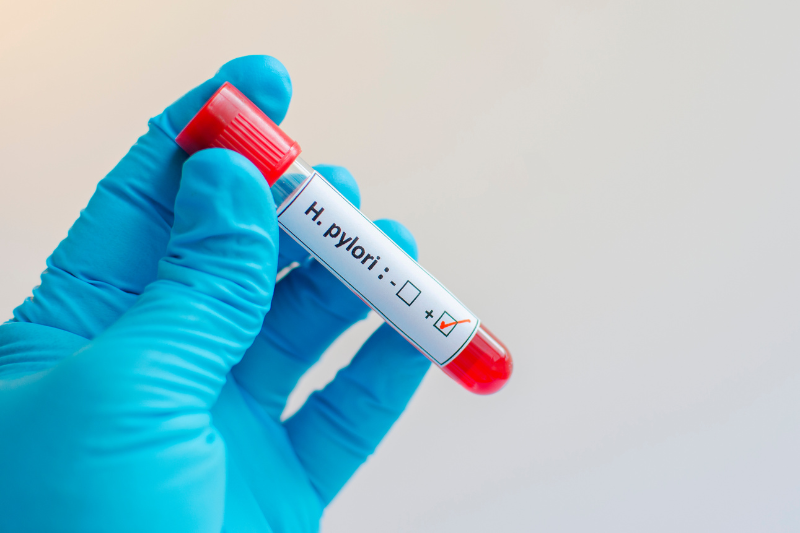
If you’ve ever suffered from chronic acidity, bloating, or stomach ulcers, you may have heard of H. pylori. Short for Helicobacter pylori, this spiral-shaped bacterium is one of the most common infections worldwide—affecting nearly half the global population. While not everyone with H. pylori develops symptoms, it can have a significant impact on gut health and long-term digestion. Let’s break down what H. pylori is, how it affects the gut, and what you can do about it. What Is H. pylori? Helicobacter pylori is a type of bacteria that lives in the stomach lining. Unlike most bacteria, it can survive in the harsh acidic environment of the stomach by producing an enzyme called urease, which neutralizes stomach acid around it. Most people pick up H. pylori in childhood, and the infection can last for years—often without symptoms. However, in some individuals, it leads to inflammation, ulcers, and even long-term complications. How H. pylori Affects the Gut? 1. Weakens the Stomach Lining H. pylori damages the protective mucus layer of the stomach, making it more vulnerable to acid. This can cause gastritis (inflammation) and stomach pain. 2. Causes Peptic Ulcers By irritating the stomach lining, H. pylori is the leading cause of peptic ulcers—painful sores in the stomach or small intestine. 3. Disrupts Digestion Infected individuals often experience bloating, burping, nausea, and irregular digestion. 4. Alters the Gut Microbiome H. pylori infection can shift the balance of gut bacteria, reducing beneficial microbes and increasing harmful ones. 5. Increases Risk of Complications In rare cases, long-term H. pylori infection is linked with stomach cancer and lymphoma. Common Symptoms of H. pylori Infection Not everyone shows signs, but when symptoms do appear, they may include: Burning or aching pain in the stomach   Frequent bloating and burping   Loss of appetite   Nausea or vomiting   Unexplained weight loss   Black or tarry stools (a sign of bleeding ulcers—requires urgent medical care)   How Is H. pylori Diagnosed? Doctors may use: Breath test (measures urease activity)   Stool antigen test   Blood test for antibodies   Endoscopy (in severe or unclear cases)   Conventional Treatment for H. pylori Most often, doctors prescribe triple therapy or quadruple therapy: a combination of antibiotics and acid-reducing medications to eradicate the bacteria. It’s important to complete the full course of treatment to prevent antibiotic resistance. Natural Remedies & Gut-Supportive Practices While antibiotics are the standard treatment, some natural approaches can support gut healing during and after treatment: Probiotics → Restore gut microbiome balance and reduce antibiotic side effects.   Green tea & broccoli sprouts → Contain compounds shown to inhibit H. pylori growth.   Honey (especially Manuka honey) → Has antibacterial properties.   Garlic → Natural antimicrobial that may help suppress bacterial activity.   Anti-inflammatory foods → Turmeric, ginger, and omega-3 rich foods soothe gut inflammation. (Note: These should be used as supportive measures, not replacements for medical treatment.) Protecting Gut Health After H. pylori Follow a gut-healing diet rich in whole foods, fiber, and probiotics. Limit irritants like alcohol, smoking, and ultra-processed foods. Manage stress—since it worsens gut inflammation. Stay consistent with follow-up tests if your doctor recommends them. Final Thoughts H. pylori is a common bacterial infection that often goes unnoticed but can significantly impact gut health. From causing gastritis and ulcers to disrupting the microbiome, its effects on the digestive system are far-reaching. The good news? With proper diagnosis, treatment, and gut-supportive remedies, it’s possible to heal and restore balance to your digestive health. If you’ve been struggling with chronic acidity, bloating, or stomach pain, don’t ignore it—testing for H. pylori might be the first step to healing your gut.

What Is H. pylori and How Does It Affect the Gut? Read More »

5 Instant Constipation Relief Remedies

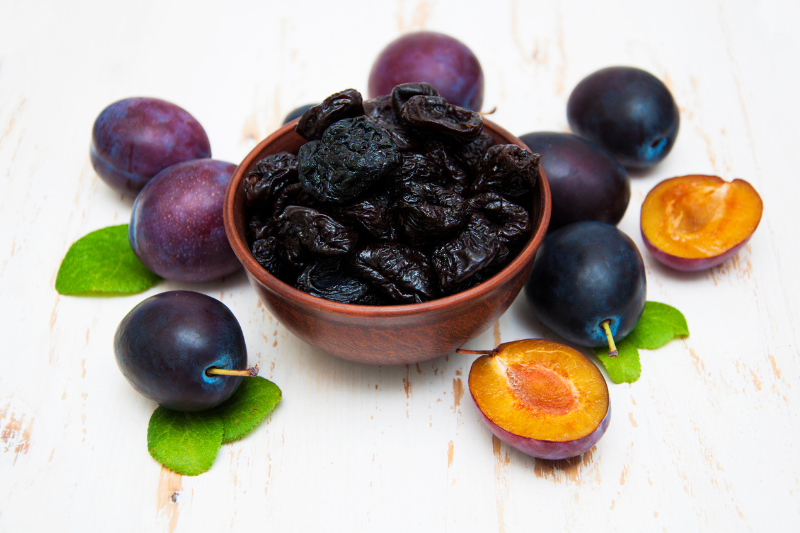
Constipation is not just uncomfortable—it can make you feel bloated, heavy, and sluggish. If you’ve been backed up for 2–3 days, you’re probably looking for a quick, safe, and natural way to get things moving. While long-term fixes like diet, hydration, and lifestyle matter, sometimes you need fast relief. Here are 5 effective home remedies for instant constipation relief that actually work when you’re stuck. 1. Drink 3–4 Glasses of Warm Water Warm water acts as the simplest natural laxative. It stimulates digestion, softens stool, and kickstarts peristalsis (the muscle contractions that move stool through your intestines). If you’ve been constipated for a couple of days, drink 3–4 glasses of warm water first thing in the morning—ideally on an empty stomach. For many people, this alone can trigger a bowel movement within a few hours. Pro tip: Add a squeeze of lemon for extra digestive support.   2. Soaked Prunes (Natural Laxative) Prunes are one of the oldest and most reliable remedies for constipation. They contain sorbitol, a natural sugar alcohol that draws water into the intestines and softens stool, plus soluble fiber for bulk. Soak 4–5 prunes in water for at least 5–6 hours (or overnight). Eat them first thing in the morning, and if you like, drink the soaking water too. For many people, prunes provide noticeable relief the same day.   3. Psyllium Husk (Isabgol) Psyllium husk is a bulk-forming soluble fiber that absorbs water, swells, and makes stool softer and easier to pass. Unlike stimulant laxatives, it’s gentle and safe when taken correctly. If you’ve been backed up for 2–3 days, take 2 teaspoons of psyllium husk in warm water before bed with plenty of hydration. By morning, it usually leads to a satisfying bowel movement. Important: Without enough water, psyllium can worsen constipation. Always drink 1–2 extra glasses of water afterward.   4. Ghee with Warm Milk A classic Ayurvedic remedy, ghee works as a natural lubricant, while warm milk helps stimulate intestinal contractions. Together, they act as a gentle yet effective laxative. Mix 1–2 teaspoons of ghee in a glass of warm milk and drink it before bedtime. Relief usually follows the next morning. This remedy also nourishes the gut lining and prevents dryness in the intestines—making it excellent for people with chronic constipation.   5. Movement & Yoga Poses If your bowels are stagnant, sometimes your body just needs a push. Physical activity stimulates peristalsis and helps release trapped stool. Try these quick constipation-relief hacks: Malasana (Yogi Squat): Opens the pelvic floor for easier elimination. Pavanamuktasana (Wind-Relieving Pose): Gently massages the abdomen and pushes gas/stool down. Supine Twist: Improves circulation to the digestive tract. 15–20 minute brisk walk: Often enough to stimulate a natural bowel movement. Bonus Quick Tips Use a footstool in the bathroom: Elevating your feet mimics a squatting position, making elimination smoother. Drink 1–2 cups of herbal tea (like ajwain or ginger): These warm teas stimulate digestion and relieve gas. Avoid heavy, fried foods until cleared: They only slow digestion further. When to See a Doctor These remedies work well for occasional constipation. But if you: Frequently go more than 3–4 days without a bowel movement Have severe abdominal pain or bleeding Experience unexplained weight loss or chronic fatigue It’s important to consult a doctor to rule out underlying conditions like IBS, thyroid imbalance, or structural gut issues. Final Thoughts Constipation lasting 2–3 days can feel miserable, but with the right remedies, you can find safe, natural relief. Drinking warm water, eating soaked prunes, adding psyllium husk, using ghee with warm milk, and practicing gentle movement are some of the most effective instant constipation fixes. Once you’ve found relief, focus on long-term gut health with hydration, fiber-rich foods, probiotics, and regular exercise to prevent constipation from coming back. Your gut loves consistency—treat it well, and it will return the favor.

5 Instant Constipation Relief Remedies Read More »

Easy Home Remedies for Constipation

Constipation is one of the most common digestive complaints—leaving you bloated, uncomfortable, and sluggish. While occasional constipation is normal, relying on harsh laxatives can make things worse in the long run. The good news? There are plenty of easy home remedies for constipation that can help stimulate bowel movements naturally and keep your gut healthy. 1. Start Your Morning with Warm Water Drinking a glass of warm water first thing in the morning stimulates the digestive system and softens stool. Add lemon or a teaspoon of honey for extra gut-friendly benefits.   2. Eat More Fiber-Rich Foods Fiber adds bulk to your stool and helps it pass smoothly through the intestines. Both soluble fiber (oats, chia seeds, apples) and insoluble fiber (vegetables, whole grains) are important. Aim for at least 25–30g of fiber daily.   3. Try Prunes or Figs Prunes are rich in sorbitol, a natural sugar alcohol that acts as a mild laxative. Figs are another excellent natural fiber source. Snack on a handful of prunes or soak 2–3 figs overnight and eat them in the morning.   4. Use Natural Seeds for Relief Flaxseeds: Add ground flaxseed to smoothies or oatmeal. Chia seeds: When soaked, they form a gel that eases stool passage. Isabgol (psyllium husk): A time-tested home remedy for constipation relief. 5. Sip on Herbal Teas Certain teas relax the gut and stimulate bowel movements: Ginger tea → boosts digestion Ajwain (carom seed) tea → improves gut motility CCF tea (cumin, coriander, fennel) → reduces bloating & supports bowel flow 6. Stay Active Movement stimulates peristalsis (the wave-like contractions of your intestines). Even a 15–20 minute walk after meals can prevent constipation. Gentle yoga poses like Cat-Cow, Supine Twist, or Malasana (yogi squat) work wonders.   7. Establish a Bathroom Routine Your colon is most active in the morning. Ignoring the urge to go can worsen constipation. Sit on the toilet at the same time every day, ideally after breakfast and a warm drink. Use a small stool to elevate your feet into a squatting position for easier elimination.   8. Manage Stress & Sleep Stress and poor sleep disrupt the gut-brain connection, slowing digestion. Try deep breathing, meditation, or journaling in the morning, and aim for 7–8 hours of quality sleep. Final Thoughts Constipation doesn’t have to control your day. By hydrating, eating more fiber, adding natural laxatives like prunes, using herbal teas, staying active, and managing stress, you can relieve constipation naturally at home—without harsh medications. Consistency is key. Small, daily changes in diet and lifestyle can keep your bowels regular and your gut healthy in the long run.

Easy Home Remedies for Constipation Read More »

Best Supplements for Constipation Relief

Constipation is one of the most common digestive complaints, leaving you feeling heavy, uncomfortable, and sluggish. While diet and lifestyle changes (like more fiber, water, and movement) are the foundation, sometimes you need extra support. That’s where supplements for constipation can help. Here are the best supplements for constipation relief, how they work, and the types you should look for. 1. Magnesium (Citrate or Oxide) Magnesium helps relax the muscles of the digestive tract and pulls water into the intestines, softening stool for easier passage. Magnesium citrate → Gentle and effective; commonly used for constipation relief. Magnesium oxide → Works similarly but may be harsher on sensitive stomachs. Magnesium glycinate → Better for relaxation and sleep, but less effective as a laxative. Best taken in the evening to support a morning bowel movement. 2. Psyllium Husk (Soluble Fiber) Psyllium is a natural fiber supplement that absorbs water, adds bulk to stool, and improves bowel regularity. It works gradually and is one of the safest long-term options. Helps both constipation and diarrhea by regulating stool consistency. Works best when paired with plenty of water. Start small (½–1 tsp daily) and increase slowly to prevent gas. 5. Aloe Vera Aloe vera juice has natural laxative properties thanks to compounds called anthraquinones, which increase water in the intestines and stimulate movement. Use cautiously and in moderation, as too much can cause cramping.   6. Flaxseed Powder Flaxseeds are rich in both soluble and insoluble fiber. They help bulk up stool while also keeping it soft. Can be added to smoothies, yogurt, or sprinkled on meals. Works best when ground (flaxseed meal) for better absorption. Drink plenty of water to prevent seeds from causing more constipation. 7. Vitamin C (in Higher Doses) Vitamin C (ascorbic acid) is water-soluble, and in higher doses, it pulls water into the intestines—helping relieve constipation. Take in divided doses throughout the day; excess is flushed out, making it generally safe.   8. Triphala (Ayurvedic Remedy) This traditional blend of three fruits—amla, haritaki, and bibhitaki—supports digestion, improves gut motility, and acts as a mild natural laxative. Gentle enough for regular use and also supports overall gut health. Final Thoughts The best supplements for constipation include magnesium citrate, psyllium husk, probiotics, flaxseed, vitamin C, aloe vera, senna, and Triphala. Each works in different ways some soften stool, others stimulate movement, and some improve long-term gut balance. Always start with diet + hydration first, then add supplements if needed. For persistent constipation, consult a healthcare professional before long-term use of stimulant laxatives. With the right approach, constipation can be relieved naturally without relying on harsh medications.

Best Supplements for Constipation Relief Read More »