Acidity Gerd

How Stress and Poor Posture Make GERD Worse

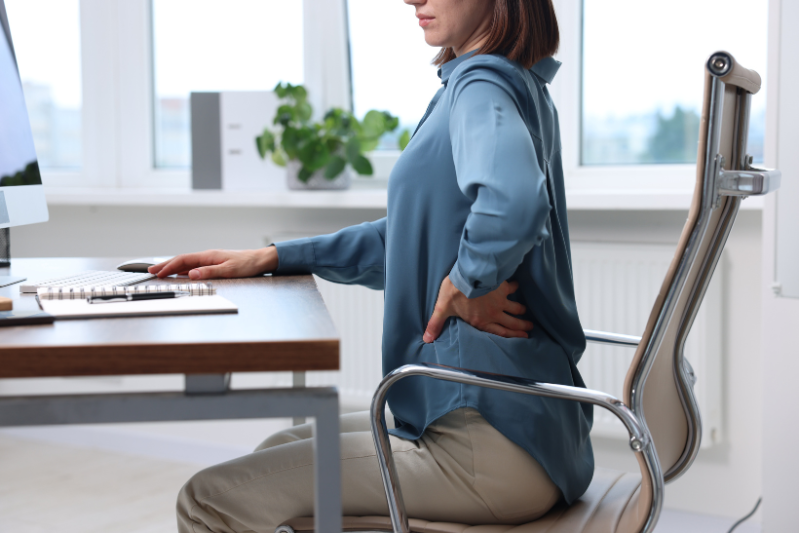
If you struggle with GERD (Gastroesophageal Reflux Disease), you already know the classic triggers—spicy food, late-night meals, caffeine, or alcohol. But did you know that stress and posture also play a huge role in worsening GERD symptoms? From heartburn and regurgitation to chest discomfort, GERD is often aggravated not just by what you eat, but by how you live. Let’s explore the surprising connection between stress, poor posture, and acid reflux—and how to fix it naturally. Stress and GERD: The Gut-Brain Connection Your digestive system is closely linked to your nervous system through the gut-brain axis. When you’re stressed, your body produces more cortisol and adrenaline, which affect digestion in several ways: Increased acid production → More stomach acid means higher chances of reflux.   Weakened esophageal sphincter (LES) → Stress can impair the muscle that normally keeps acid in the stomach.   Heightened sensitivity → Stress makes you more sensitive to pain, so heartburn feels worse.   Unhealthy coping habits → Stress often leads to smoking, caffeine, alcohol, or late-night snacking—major GERD triggers.   👉 This is why many people report heartburn during work deadlines, exams, or emotional stress.   Poor Posture and GERD: Why Sitting Matters How you sit and stand directly affects your digestive system. Slouching, hunching over a laptop, or lying flat after meals can worsen reflux by: Increasing stomach pressure → A hunched posture compresses the stomach, pushing acid upward.   Weakening the LES → Long hours of poor posture reduce the effectiveness of the valve that prevents reflux.   Delaying digestion → Slouching slows gastric emptying, keeping food (and acid) in the stomach longer.   👉 This explains why office workers and people with sedentary lifestyles often experience acid reflux flare-ups   How to Reduce GERD Symptoms Naturally The good news: simple lifestyle changes can help manage GERD alongside diet. Stress-Relief Practices Practice deep breathing or meditation to calm the nervous system.   Try yoga for digestion (gentle twists, cat-cow, child’s pose).   Maintain a consistent sleep routine to reduce stress hormones.   Posture Fixes Sit upright with your back supported, especially after meals.   Avoid lying down for at least 2–3 hours after eating.   Use a wedge pillow or elevate your head while sleeping.   Take short standing or walking breaks every hour if you sit at a desk.   Other Helpful Tips Eat smaller, balanced meals instead of heavy portions.   Limit caffeine, alcohol, fried, and spicy foods.   Wear loose clothing to reduce stomach pressure Final Thoughts GERD isn’t only about food—it’s also about how your body responds to stress and posture. High stress levels can boost acid production, while slouching or lying flat makes it easier for acid to escape into the esophagus. By combining stress management with better posture habits, you can significantly reduce GERD symptoms and improve digestion naturally. Small daily changes—like mindful breathing, sitting tall, and avoiding late-night meals—can go a long way in restoring gut comfort and giving you relief.

How Stress and Poor Posture Make GERD Worse Read More »

Foods That Calm Acid Reflux Naturally

If you often feel a burning sensation in your chest after meals, you’re not alone. Acid reflux (or heartburn) affects millions of people worldwide. While medications provide short-term relief, your diet plays a powerful role in managing symptoms naturally. The right foods can soothe the digestive tract, reduce irritation, and even prevent reflux episodes. In this blog, we’ll explore the best acid reflux-friendly foods that calm symptoms naturally. 1. Oatmeal A classic breakfast staple, oatmeal is high in fiber and helps absorb excess stomach acid. It’s filling, easy to digest, and keeps reflux at bay. ✅ Tip: Add sliced bananas or blueberries (low-acid fruits) for extra gut-friendly nutrition. 2. Bananas Bananas are naturally low in acid and help coat the stomach lining, protecting it from irritation. They’re a go-to snack for people with acid reflux or GERD. ✅ Tip: Choose ripe (but not overripe) bananas for maximum benefit. 3. Ginger Known for its anti-inflammatory properties, ginger helps reduce nausea and calms the digestive system. It’s one of the best natural remedies for heartburn. ✅ Tip: Sip on ginger tea or add fresh ginger to soups and stir-fries. 4. Green Vegetables Leafy greens like spinach, kale, zucchini, and green beans are alkaline, meaning they neutralize excess stomach acid. They’re also rich in fiber and nutrients. ✅ Tip: Lightly steam or sauté instead of frying to keep them easy on the stomach. 5. Melons Cantaloupe and honeydew are low-acid fruits that hydrate the body and soothe reflux. Unlike citrus fruits, they won’t irritate the stomach lining. ✅ Tip: Enjoy as a mid-morning snack or blend into a refreshing smoothie. 6. Fennel Fennel seeds and bulbs are great for digestion and reducing bloating. They also have a natural calming effect on the stomach. ✅ Tip: Chew fennel seeds after meals or brew fennel tea for quick reflux relief. 7. Lean Proteins Grilled chicken, fish, and plant-based proteins like lentils (if tolerated) are easier to digest compared to fatty meats, which worsen reflux. ✅ Tip: Stick to baking, grilling, or steaming instead of frying. 8. Aloe Vera Juice Aloe vera is soothing for the stomach and may help reduce inflammation in the digestive tract. ✅ Tip: Choose unsweetened, food-grade aloe vera juice and consume in moderation. 9. Herbal Teas Peppermint, chamomile, and licorice root teas relax the digestive muscles and reduce acid reflux discomfort. ✅ Tip: Sip slowly in the evening instead of caffeinated drinks. Foods to Avoid with Acid Reflux While adding calming foods, also limit common acid reflux trigger foods such as: Spicy foods Fried or greasy meals Tomatoes and citrus fruits Coffee and alcohol Carbonated drinks Final Thoughts The path to natural acid reflux relief often starts in your kitchen. By adding soothing foods like bananas, oatmeal, ginger, and green vegetables while avoiding common triggers, you can keep heartburn under control without relying solely on medications. Remember: Everyone’s triggers are unique. Keep a food diary to identify what works best for your body.

Foods That Calm Acid Reflux Naturally Read More »

Best Bedtime Practices for Acid Reflux Relief

Acid reflux (also called heartburn or GERD) often gets worse at night. That burning sensation in your chest, bitter taste in your mouth, or disrupted sleep happens because lying down makes it easier for stomach acid to flow back into the esophagus. The good news? With a few simple bedtime practices, you can prevent nighttime acid reflux and sleep peacefully. 1. Avoid Late-Night Meals and Snacks Eating close to bedtime is one of the biggest triggers for acid reflux at night. When you lie down after eating, stomach acid can easily escape upward. ✅ Fix: Finish dinner at least 2–3 hours before bed. If you need a snack, choose something light like a banana or a small portion of lactose-free yogurt.   2. Sleep on Your Left Side Studies show that sleeping on your left side reduces reflux episodes compared to the right side. This position keeps the stomach below the esophagus, preventing acid from rising.   ✅ Fix: Place a pillow behind your back to help you stay on your left side through the night.   3. Elevate Your Head While Sleeping Lying flat makes reflux worse. Elevating your head by 6–8 inches can stop stomach acid from flowing upward. ✅ Fix: Use a wedge pillow or raise the head of your bed instead of stacking multiple pillows (which can strain the neck). 4. Choose a Light, Reflux-Friendly Dinner Heavy, spicy, or greasy meals linger in the stomach and trigger nighttime heartburn. ✅ Fix: Stick to light dinners with lean proteins, steamed vegetables, and low-FODMAP carbs like rice or quinoa. Avoid onions, tomatoes, fried food, and carbonated drinks. 5. Limit Alcohol and Caffeine in the Evening Both weaken the lower esophageal sphincter (LES), the valve that prevents acid from escaping. ✅ Fix: Replace evening coffee, tea, or cocktails with herbal teas like chamomile, ginger, or fennel, which soothe digestion. 6. Practice Relaxation Before Bed Stress and anxiety can worsen acid reflux by increasing stomach acid production. ✅ Fix: Try deep breathing, gentle yoga stretches, or a short meditation before bedtime to relax your digestive system. 7. Wear Loose-Fitting Sleepwear Tight clothing around the waist puts pressure on the stomach, pushing acid upward. ✅ Fix: Choose breathable, loose-fitting nightwear for comfort and reflux relief.   Quick Natural Remedies for Nighttime Acid Reflux Sip warm water or caffeine-free herbal tea before bed. Chew sugar-free gum to stimulate saliva production, which neutralizes acid. Keep your bedroom cool and calm to improve sleep quality Simple Lifestyle Fixes for Acidity   Drink warm water or herbal teas (ginger, fennel, licorice root) instead of carbonated drinks. Elevate your head slightly when sleeping to prevent night-time reflux. Maintain a healthy weight—extra abdominal fat puts pressure on the stomach. Chew food slowly to aid digestion and reduce excess air intake. Final Thoughts Acid reflux doesn’t have to ruin your nights. By making small changes like eating earlier, sleeping on your left side, elevating your head, and practicing relaxation, you can enjoy natural relief from nighttime heartburn and wake up refreshed. If your symptoms persist despite these changes, consult a healthcare professional to rule out GERD or other underlying conditions.

Best Bedtime Practices for Acid Reflux Relief Read More »

Everyday Habits That Worsen Acidity (and Simple Fixes)

Acidity or acid reflux is one of the most common digestive complaints today. That burning sensation in your chest after a meal, constant burping, or sour taste in the mouth? All signs that stomach acid is moving upward instead of staying where it belongs. While certain foods can trigger acidity, it’s often our everyday habits that silently worsen the problem. The good news? With small adjustments, you can ease symptoms and improve digestion naturally. Everyday Habits That Worsen Acidity 1. Skipping Meals or Eating at Odd Hours Long gaps between meals increase stomach acid, which irritates the lining and causes heartburn. Fix: Eat on time and maintain regular meal intervals (every 3–4 hours). 2. Overeating in One Sitting Large, heavy meals put pressure on the stomach and relax the lower esophageal sphincter (LES), allowing acid to escape upward. Fix: Opt for smaller, balanced meals spread throughout the day. 3. Lying Down Right After Eating Reclining or sleeping soon after a meal makes it easier for acid to flow back into the esophagus. Fix: Wait at least 2–3 hours after eating before lying down or going to bed. 4. Excess Caffeine & Tea Coffee, black tea, and energy drinks increase acid production and irritate the stomach lining. Fix: Limit to 1 small cup daily or switch to soothing herbal teas like chamomile or ginger. 5. High Intake of Spicy, Oily, or Processed Foods Fried foods, heavy curries, and packaged snacks are common acid reflux triggers. Fix: Choose lighter cooking methods (steaming, baking) and include gut-friendly spices like fennel or cumin. 6. Smoking & Alcohol Both weaken the LES and increase acid reflux episodes. Fix: Reduce or quit smoking and limit alcohol to occasional, small amounts. 7. Wearing Tight Clothing Tight belts or high-waist pants put pressure on the stomach, pushing acid upward. Fix: Wear comfortable, loose-fitting clothes especially after meals. 8. Stress & Poor Sleep Chronic stress and lack of sleep disrupt digestion, making acidity worse. Fix: Practice relaxation (yoga, meditation, deep breathing) and aim for 7–8 hours of quality sleep. Simple Lifestyle Fixes for Acidity   Drink warm water or herbal teas (ginger, fennel, licorice root) instead of carbonated drinks. Elevate your head slightly when sleeping to prevent night-time reflux. Maintain a healthy weight—extra abdominal fat puts pressure on the stomach. Chew food slowly to aid digestion and reduce excess air intake. Final Thoughts Acidity isn’t always about what you eat—it’s also about how you live every day. By fixing small habits like meal timing, portion sizes, caffeine intake, and stress levels, you can significantly reduce acid reflux naturally. Consistency is key. Make one or two changes today and watch your digestion improve over time.

Everyday Habits That Worsen Acidity (and Simple Fixes) Read More »