Bloating

5 Shocking Habits That Cause Bloating

When you think of bloating, you probably blame beans, dairy, or carbonated drinks. But here’s the twist: it’s not just what you eat—your everyday habits can secretly fuel bloating too. From your clothing choices to your stress levels, some surprising factors can trap gas, slow digestion, and leave you with that heavy, uncomfortable belly. Here are 5 shocking habits that might be causing your bloating—and how to fix them 1. Wearing High Waisted or Tight Pants That trendy high-waisted look may be stylish, but it comes at a cost. Tight pants compress your stomach and intestines, slowing digestion and making it harder for gas to move through. Over time, this constant pressure can trigger bloating and discomfort. Fix: Opt for looser, breathable clothing—especially after meals. Comfort helps your digestion work smoothly. 2. Drinking with a Straw Using a straw seems harmless, but it makes you swallow extra air (a process called aerophagia). That air gets trapped in your gut, leading to more burping, gas, and bloating. Fix: Sip directly from your glass or cup. If you must use a straw, choose a wide reusable one that reduces air intake. 3. Stress and Anxiety Your brain and gut are connected through the gut-brain axis. When you’re stressed, your body shifts into “fight-or-flight” mode, slowing down digestion, tightening gut muscles, and increasing sensitivity to gas. This often shows up as bloating, stomach cramps, or even IBS flare-ups. Fix: Take 5–10 minutes daily for stress relief—deep breathing, yoga stretches, meditation, or even a short mindful walk can relax your digestive system. 4. Cold Beverages Icy drinks can actually shock your digestive system. Cold liquids constrict blood vessels in the stomach, reduce enzyme activity, and make food breakdown less efficient. This slows digestion, allowing food to ferment and produce excess gas. Fix: Stick to room-temperature or warm drinks, especially with meals. Herbal teas like ginger, cumin-coriander-fennel (CCF), or ajwain tea support digestion naturally. 5. Eating Too Many Raw Salads Raw veggies are packed with fiber, which is great for health—but insoluble fiber can be tough on sensitive guts. Eating large bowls of raw salads increases fermentation in the intestines, producing gas and bloating. Fix: Lightly steam, sauté, or roast your veggies. Cooking breaks down tough fibers, making them easier to digest while still giving you the nutrients. Final Thoughts Bloating isn’t always about “bad foods.” Sometimes, it’s the hidden daily habits—like tight clothes, sipping with a straw, stress, cold beverages, or even raw salads—that leave your gut struggling. The good news? With a few small changes—choosing looser outfits, sipping warm teas, cooking veggies, and managing stress—you can ease bloating, support digestion, and feel lighter every day. Your gut is always talking to you. Listen closely, and it will thank you.

5 Shocking Habits That Cause Bloating Read More »

5 Best Drinks for Instant Bloating Relief

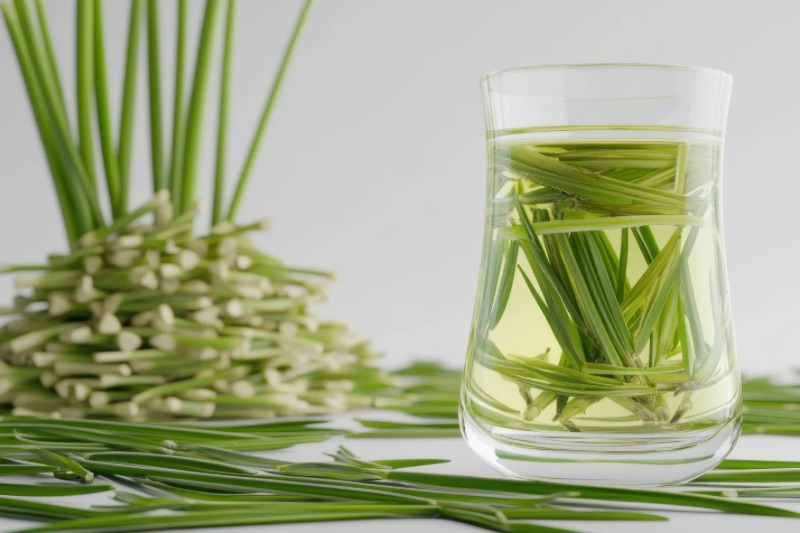
That heavy, swollen, gassy feeling after a meal? We’ve all been there. Bloating can make you feel sluggish and uncomfortable—but the right drink can bring quick relief. Here are the 5 best drinks for instant bloating relief that soothe your stomach and improve digestion naturally. 1. CCF Tea (Cumin, Coriander & Fennel) This classic Ayurvedic blend supports digestion, reduces gas, and calms inflammation. Cumin improves bile flow, coriander cools the digestive tract, and fennel relaxes the intestinal muscles—making it one of the most powerful natural remedies for bloating. Hack: Boil ½ tsp each of cumin, coriander, and fennel seeds in 2 cups water. Strain and sip warm after meals.   2. Ginger Tea Ginger stimulates digestive enzymes, speeds up gastric emptying, and reduces intestinal inflammation—helping trapped gas move through more quickly. Hack: Steep fresh ginger slices in hot water, add a dash of lemon for extra freshness.   3. Fennel Seed Water Fennel contains anethole, a compound that relaxes the gut muscles and prevents gas formation. That’s why fennel seeds are often chewed after meals in Indian households. Hack: Boil 1 tsp fennel seeds in water, strain, and sip warm after meals.   4. Lemon Water Lemon water helps stimulate stomach acid production and supports bile flow, which aids smoother digestion. It also helps reduce water retention, often mistaken for bloating. Hack: Start your morning with warm lemon water to keep bloating at bay.   5. Ajwain (Carom Seed) Tea Ajwain seeds are rich in thymol, a compound that improves digestion, relieves indigestion, and reduces gas formation in the intestines. It’s a time-tested home remedy for bloating and stomach cramps. Hack: Boil 1 tsp ajwain seeds in a cup of water, strain, and drink warm. Final Thoughts When bloating strikes, reaching for the right drink can bring instant relief. Teas like CCF, ginger, fennel, lemon water, and ajwain not only ease discomfort but also improve overall gut health when taken regularly. For best results, combine these drinks with mindful eating habits—chewing slowly, eating smaller meals, and avoiding carbonated beverages.

5 Best Drinks for Instant Bloating Relief Read More »

8 Proven Hacks to Reduce Bloating

Bloating is one of the most common digestive complaints. That uncomfortable, heavy, or gassy feeling in your belly can be triggered by certain foods, stress, or even how you eat. The good news? With the right habits, you can beat the bloat and feel lighter. Here are 8 proven hacks to reduce bloating naturally. 1. Eat Slowly & Chew Thoroughly When you eat too fast, you swallow excess air, which contributes to gas and bloating. Chewing well also gives your stomach a head start on digestion. Hack: Put your fork down between bites and take at least 20 minutes to finish a meal.   2. Limit Carbonated Drinks Sodas, sparkling water, and beer release carbon dioxide gas, which gets trapped in your digestive system. Hack: Replace fizzy drinks with herbal teas (peppermint, ginger, fennel) that actually help reduce bloating.   3. Go for a Short Walk After Meals Light movement helps food move through your digestive tract, preventing it from sitting too long and fermenting. Hack: A 10–15 minute walk after eating can dramatically cut down bloating.   4. Try Peppermint or Ginger Tea Both peppermint and ginger relax the digestive muscles and improve gut motility, easing gas buildup. Hack: Sip a warm cup of tea after meals to soothe your stomach.   5. Avoid Gum & Artificial Sweeteners Chewing gum and sugar alcohols (like sorbitol, xylitol, and mannitol) cause excess air intake and fermentation, leading to bloating. Hack: Swap gum for fennel seeds or mint leaves after meals to freshen breath naturally.   6. Add More Potassium-Rich Foods Too much sodium causes water retention, which feels like bloating. Potassium helps balance fluids in the body. Hack: Snack on bananas, avocados, or cucumbers to reduce water-related bloating.   7. Eat Smaller, Frequent Meals Large, heavy meals overload the stomach and delay digestion. Smaller meals are easier to process and reduce gas buildup. Hack: Break your meals into 4–5 smaller portions instead of 2–3 heavy meals.   8. Keep a Food Diary to Identify Triggers Common bloating culprits include beans, dairy, wheat, onions, and cruciferous vegetables—but triggers vary by person. Hack: Track what you eat and how you feel after. Identifying your personal triggers is the most effective long-term solution. Final Thoughts Bloating doesn’t have to be a daily struggle. By chewing slowly, walking after meals, sipping herbal teas, and identifying your food triggers, you can reduce bloating naturally and improve digestion. Remember: Everyone’s gut is unique. Pay attention to your body, and with these simple hacks, you’ll feel lighter and more comfortable in no time. Perfect tweak That makes it even more authentic and rooted in Ayurvedic / traditional remedies. I’ll revise the blog with CCF tea (Cumin, Coriander, Fennel) and Ajwain (Carom Seed) tea, and add quick science-backed lines about why they work for bloating.

8 Proven Hacks to Reduce Bloating Read More »

Most Common Foods That Cause Bloating

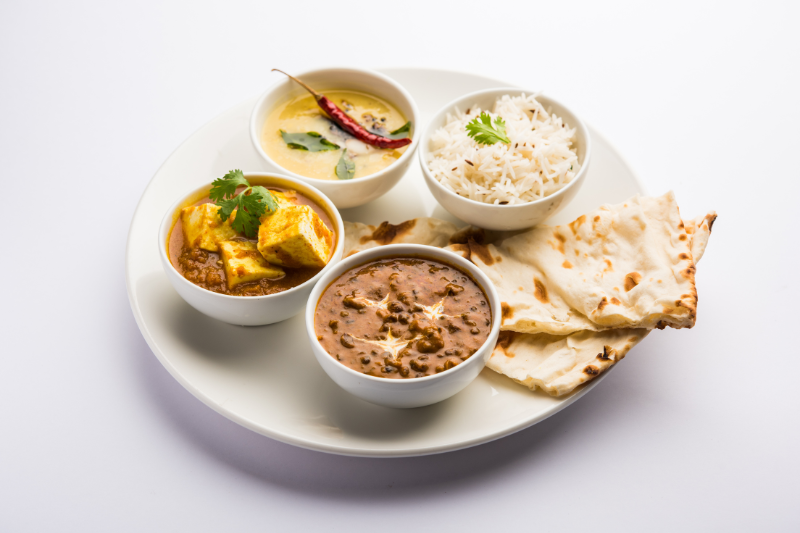
Bloating is one of the most uncomfortable (and frustrating) digestive issues. That tight, gassy, swollen feeling in your belly can ruin your day and make even healthy foods feel like the enemy. While bloating can have many causes—like eating too fast, stress, or gut imbalances—your diet is often the biggest trigger. Some foods are harder to digest and tend to produce excess gas in the gut. Here are the most common foods that cause bloating and what you can eat instead: 1. Beans & Lentils Beans and lentils are high in fiber and packed with nutrients—but they also contain oligosaccharides, a type of carbohydrate that ferments in the gut, leading to gas and bloating. Tip: Soak beans and lentils overnight, cook them thoroughly, and pair with digestion-friendly spices like cumin, ginger, or asafoetida (hing).   2. Cruciferous Vegetables Broccoli, cauliflower, cabbage, and Brussels sprouts are rich in fiber and sulfur compounds. While healthy, they can be difficult to digest, often causing gas. Tip: Steam or sauté these vegetables instead of eating them raw to make them gentler on digestion.   3. Onions & Garlic Onions and garlic are high in fructans, a type of carbohydrate that many people with sensitive guts struggle to digest. They can cause gas, bloating, and abdominal discomfort. Tip: Try cooking them well or using herbs and spices like chives, fennel, or ginger as alternatives.   4. Dairy Products Milk, cheese, and ice cream contain lactose, which many adults cannot fully digest. This can cause bloating, cramping, and diarrhea. Tip: Switch to lactose-free milk, almond milk, coconut yogurt, or other non-dairy alternatives.   5. Carbonated Drinks Sodas, sparkling water, and beer release carbon dioxide gas, which gets trapped in your digestive system—leading to bloating and burping. Tip: Replace fizzy drinks with still water, herbal teas, or infused water with lemon or mint.   6. Wheat & Gluten-Containing Foods Bread, pasta, and baked goods can cause bloating in people sensitive to gluten or to the fructans in wheat. Tip: Try gluten-free grains like rice, quinoa, oats, or millet if wheat makes you bloated.   7. Apples & Pears Though healthy, apples and pears are high in fructose and polyols (sorbitol), which can ferment in the gut and trigger bloating. Tip: Eat smaller portions or swap with low-FODMAP fruits like strawberries, blueberries, or bananas.   8. Artificial Sweeteners Sugar alcohols like sorbitol, xylitol, and mannitol (often in sugar-free gum and protein bars) are poorly absorbed in the gut and ferment, leading to gas. Tip: Limit artificial sweeteners and choose natural options like stevia or small amounts of raw honey.   9. Processed & Packaged Foods Chips, fried snacks, and fast food are high in fat and sodium, which slow digestion and cause water retention—leading to that puffy, bloated feeling. Tip: Stick to fresh, whole foods and keep processed options to a minimum. Final Thoughts Bloating doesn’t mean you have to give up healthy foods completely—it’s about understanding your triggers and preparing foods in a gut-friendly way. By avoiding common culprits like beans, cruciferous veggies, dairy, and carbonated drinks (or eating them more mindfully), you can reduce bloating and feel lighter. Everyone’s gut is unique, so keep a food diary to track your symptoms and discover which foods affect you most.

Most Common Foods That Cause Bloating Read More »