admin

Foods That Support Liver Detox

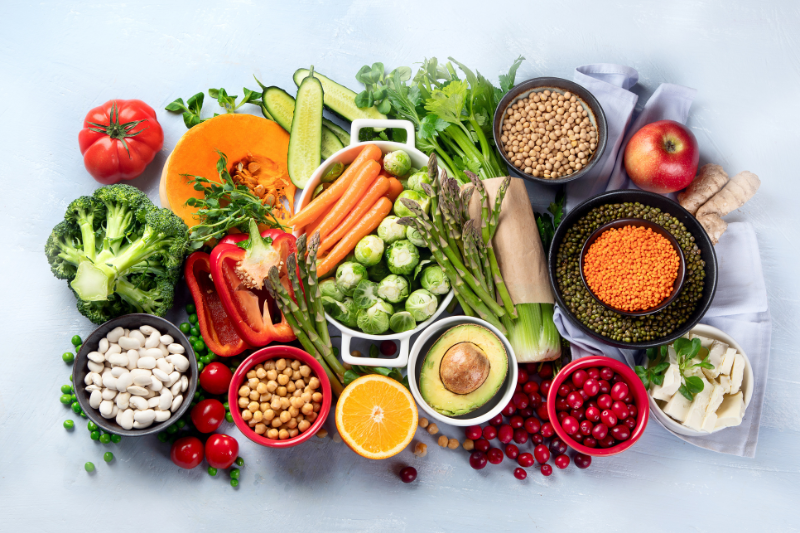
Your liver is the body’s natural detox powerhouse. It filters toxins, processes nutrients, and keeps your metabolism running smoothly. But with today’s lifestyle—processed foods, alcohol, stress, and pollution—your liver can get overworked. The good news? You don’t need expensive detox kits. Nature already provides liver-friendly foods that help cleanse and protect this vital organ. Here’s a list of the best foods that support natural liver detox. 1. Leafy Green Vegetables Spinach, kale, and arugula are rich in chlorophyll, which helps neutralize toxins and improve bile flow. This supports digestion and reduces the liver’s workload. ✅ Add a green salad or lightly sautéed greens to your meals. 2. Beets Beets contain betalains—antioxidants that reduce inflammation and support detox enzymes in the liver. They also improve bile production, aiding fat digestion. ✅ Enjoy roasted beets, beetroot juice, or add them to smoothies. 3. Garlic Garlic is rich in sulfur compounds that activate liver enzymes responsible for flushing out toxins. It also contains allicin, which protects the liver from oxidative stress. ✅ Use fresh garlic in cooking instead of garlic powders or processed alternatives. 4. Turmeric Turmeric’s active compound, curcumin, reduces liver inflammation and boosts antioxidant capacity. It’s one of the most powerful natural remedies for liver health. ✅ Add turmeric to curries, golden milk, or smoothies. Pair with black pepper for better absorption. 5. Citrus Fruits Lemons, limes, and oranges are high in vitamin C, which stimulates liver enzymes and enhances toxin breakdown. ✅ Start your morning with warm lemon water to gently activate the liver. 6. Cruciferous Vegetables Broccoli, Brussels sprouts, and cauliflower are rich in glucosinolates, which boost the production of detoxifying liver enzymes. ✅ Lightly steam or roast for maximum benefit. 7. Green Tea Green tea is packed with catechins—antioxidants that improve liver function and reduce fat buildup in the liver. ✅ Replace sugary drinks with 1–2 cups of green tea daily. 8. Apples Apples are rich in pectin, a type of soluble fiber that binds toxins in the gut, reducing the liver’s detox burden. ✅ Eat them whole for maximum fiber (avoid peeling if organic). 9. Walnuts Walnuts are high in omega-3 fatty acids and glutathione, both of which support liver cleansing and reduce inflammation. ✅ Snack on a handful of raw walnuts or add them to salads. 10. Olive Oil Cold-pressed extra virgin olive oil supports bile production and reduces oxidative stress in the liver. ✅ Drizzle over salads or use in light cooking. Final Thoughts Your liver works 24/7 to keep your body clean and balanced. By including liver-detoxifying foods like leafy greens, beets, garlic, turmeric, citrus, and green tea, you can naturally support its function and prevent long-term damage. Remember: there’s no magic “quick fix detox.” The best liver cleanse comes from consistent, healthy eating, hydration, regular movement, and avoiding alcohol and processed foods.

Foods That Support Liver Detox Read More »
Nutrition Tips to Prevent Gallstones

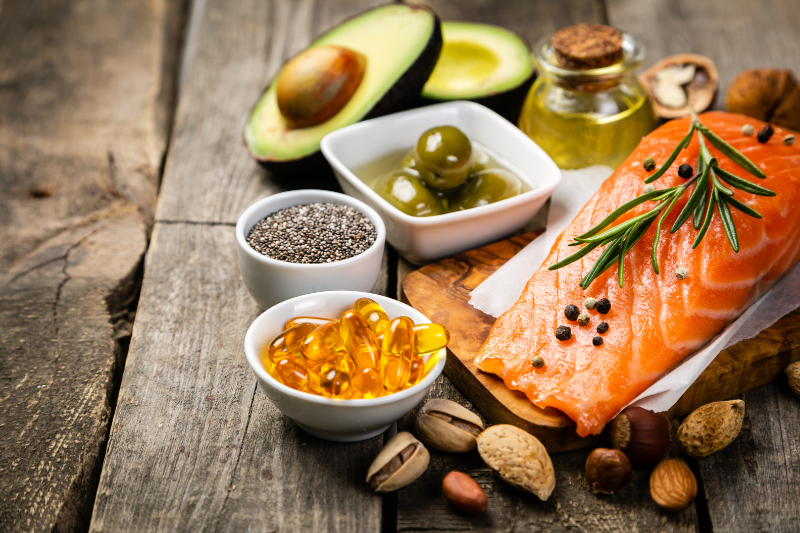
Gallstones are hardened deposits that form in the gallbladder, often leading to abdominal pain, nausea, bloating, or even surgery in severe cases. While genetics and lifestyle play a role, diet is one of the most powerful tools for gallstone prevention. One nutrient that stands out is dietary fiber. Studies show that eating more fiber-rich foods can significantly lower your risk of developing gallstones. Why Fiber Matters for Gallbladder Health The gallbladder stores bile, which helps digest fats. Gallstones form when bile becomes imbalanced—too much cholesterol, not enough bile salts, or sluggish emptying of the gallbladder. Here’s how fiber helps: 1. Improves Bile Flow Fiber speeds up digestion and supports regular bowel movements, reducing the chances of bile stagnation (a key factor in gallstone formation). 2. Reduces Cholesterol Levels Since most gallstones are made of cholesterol, a high-fiber diet lowers cholesterol absorption in the gut, decreasing the raw material for gallstones. 3. Supports Healthy Weight Obesity and rapid weight loss are major gallstone risk factors. Fiber helps you feel full, prevents overeating, and supports gradual, healthy weight management. 4. Balances Blood Sugar High blood sugar and insulin resistance increase gallstone risk. Fiber slows carbohydrate absorption, helping maintain stable blood sugar levels. Best Fiber-Rich Foods to Prevent Gallstones Adding both soluble and insoluble fiber to your diet is key. ✅ Fruits: Apples, pears, berries, kiwis, oranges✅ Vegetables: Broccoli, spinach, carrots, beets, zucchini✅ Whole Grains: Oats, quinoa, brown rice, barley ✅ Legumes: Lentils, chickpeas, black beans ✅ Seeds & Nuts: Chia seeds, flaxseeds, almonds, walnuts 👉 Aim for 25–35 grams of fiber daily (gradually increase intake to avoid bloating). Tips to Increase Fiber Intake Safely Add vegetables to every meal. Swap refined grains with whole grains. Snack on fruit instead of processed foods. Sprinkle chia or flaxseeds into smoothies or yogurt. Stay hydrated—fiber works best with plenty of water. Final Thoughts A high-fiber diet is one of the simplest, most natural ways to protect your gallbladder. By improving bile flow, lowering cholesterol, and supporting healthy weight, fiber plays a crucial role in preventing gallstones naturally. The best part? Fiber-rich foods also improve overall gut health, heart health, and blood sugar control—making them an essential part of a healthy lifestyle. If you have a family history of gallstones or risk factors like obesity, start adding more fiber to your meals today. Your gallbladder will thank you.

Nutrition Tips to Prevent Gallstones Read More »

Diet Tips to Reverse Fatty Liver Naturally

Fatty liver disease is on the rise, often caused by poor diet, sedentary lifestyle, obesity, diabetes, or excess alcohol. The good news? In many cases, fatty liver is reversible with the right diet and lifestyle changes. Food plays a powerful role in healing the liver, reducing fat accumulation, and improving overall liver function. In this article, we’ll share the best diet tips to reverse fatty liver naturally 1. Focus on Whole, Unprocessed Foods Your liver thrives on clean, nutrient-dense foods. Eating whole grains, fresh vegetables, lean proteins, fruits, nuts, and seeds supports liver repair while reducing fat buildup. ✅ Swap packaged snacks with fruits, nuts, or homemade options. 2. Choose Liver-Friendly Carbohydrates Refined carbs (white bread, pasta, sugary cereals) spike blood sugar and worsen fatty liver. Instead, choose low-glycemic, high-fiber carbs that improve insulin sensitivity. ✅ Best picks: quinoa, oats, brown rice, millet, and legumes (in moderation if tolerated). 3. Increase High-Fiber Vegetables Fiber helps reduce fat storage in the liver and supports digestion. ✅ Add leafy greens, broccoli, carrots, beets, zucchini, and bell peppers to your meals. ✅ Cruciferous vegetables (like broccoli and Brussels sprouts) contain compounds that enhance liver detoxification. 4. Prioritize Lean Protein Protein helps stabilize blood sugar and promotes fat loss, which is essential for reversing fatty liver. ✅ Good options: fish, skinless chicken, eggs, tofu, lentils, and chickpeas. 5. Add Healthy Fats (in Moderation) Not all fats are harmful. Omega-3 fatty acids reduce liver inflammation and fat buildup. ✅ Sources: walnuts, chia seeds, flaxseeds, fatty fish (salmon, sardines), and extra virgin olive oil. ❌ Limit saturated fats (red meat, butter, fried foods) and avoid trans fats completely. 6. Cut Down on Sugar & Sugary Drinks Excess sugar (especially fructose in sodas, packaged juices, and sweets) directly contributes to fat storage in the liver. ✅ Replace sugary drinks with water, herbal teas, or lemon water. 7. Stay Hydrated Water helps flush out toxins and supports liver repair. ✅ Aim for 8–10 glasses daily, depending on activity and climate. 8. Limit or Avoid Alcohol Alcohol is one of the biggest contributors to liver damage. Even moderate amounts can worsen fatty liver. ✅ If you have fatty liver, the safest approach is to avoid alcohol completely. 9. Control Portion Sizes Overeating—even healthy food—can strain the liver. Balanced, portion-controlled meals help with gradual weight loss, which is key to reversing fatty liver. 10. Add Liver-Friendly Superfoods Garlic: Helps reduce liver fat.   Green tea: Rich in antioxidants that protect liver cells.   Turmeric: Anti-inflammatory and liver-supportive. Final Thoughts A fatty liver diet isn’t about strict restrictions—it’s about making smart choices that support liver healing. By focusing on high-fiber vegetables, lean proteins, healthy fats, and cutting out sugar and alcohol, you can reverse fatty liver naturally and restore liver function. Combine these diet tips with regular exercise, quality sleep, and stress management for the best long-term results. Great pick 🙌 — this is a unique niche angle with strong SEO potential because people often search for foods to prevent gallstones, high-fiber diet and gallstones, natural prevention of gallstones, gallbladder health.

Diet Tips to Reverse Fatty Liver Naturally Read More »

Signs of Fatty Liver You Shouldn’t Ignore

Your liver is one of the most hardworking organs in your body—it filters toxins, processes nutrients, and supports digestion. But when too much fat builds up in the liver, it can lead to fatty liver disease. Often silent in the early stages, fatty liver can progress into serious conditions like cirrhosis or liver failure if ignored. Recognizing the early signs of fatty liver can help you make lifestyle changes before it’s too late. What is Fatty Liver? Fatty liver, also called hepatic steatosis, happens when more than 5–10% of the liver’s weight is fat. It can be caused by: Alcohol use (Alcoholic Fatty Liver Disease)   Poor diet, obesity, diabetes, or high cholesterol (Nonalcoholic Fatty Liver Disease or NAFLD)   Early Signs of Fatty Liver Fatty liver is often called a “silent disease” because symptoms may not appear until damage has progressed. Still, here are common signs you shouldn’t ignore: 1. Persistent Fatigue Constant tiredness or low energy may signal your liver is struggling to process toxins efficiently. 2. Discomfort or Pain in the Upper Right Abdomen A dull ache or heaviness under your right rib cage can indicate liver inflammation. 3. Unexplained Weight Gain or Difficulty Losing Weight Fatty liver often develops alongside insulin resistance, making weight loss harder. 4. Bloating and Digestive Issues Gas, indigestion, or feeling full quickly may be related to poor liver function. 5. Dark Patches on Skin (Acanthosis Nigricans) Thickened, dark skin around the neck or armpits is linked to insulin resistance, a common fatty liver risk factor. 6. Elevated Liver Enzymes (Discovered in Blood Tests) Sometimes, fatty liver is first detected through routine blood tests showing abnormal liver enzyme levels. Advanced Symptoms (When Fatty Liver Progresses) If left unmanaged, fatty liver can lead to Nonalcoholic Steatohepatitis (NASH) or cirrhosis. Warning signs include: Yellowing of skin and eyes (jaundice)   Swelling in legs and abdomen   Easy bruising or bleeding   Mental confusion (in severe liver damage)   How to Prevent and Manage Fatty Liver Naturally The best part? Fatty liver is often reversible with lifestyle changes: Maintain a healthy weight → Aim for gradual weight loss.   Follow a liver-friendly diet → Eat whole foods, high-fiber vegetables, lean protein, and healthy fats. Avoid sugary drinks, processed foods, and excess alcohol.   Exercise regularly → Even 30 minutes of walking daily improves liver health.   Manage blood sugar & cholesterol → Keep diabetes and lipid levels under control.   Stay hydrated → Water supports liver detoxification. Final Thoughts Fatty liver is more common than ever, but it doesn’t have to progress into something dangerous. By recognizing early signs—like persistent fatigue, abdominal discomfort, or unexplained weight gain—you can take steps to protect your liver. Lifestyle changes like diet improvement, exercise, and weight management are often enough to reverse fatty liver naturally. If you notice these signs, don’t ignore them—consult your doctor for proper evaluation and guidance.

Signs of Fatty Liver You Shouldn’t Ignore Read More »

How Stress and Poor Posture Make GERD Worse

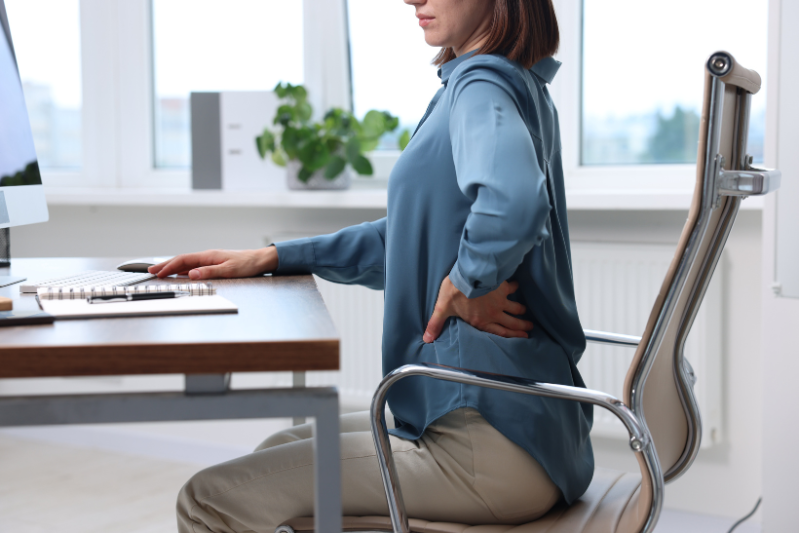
If you struggle with GERD (Gastroesophageal Reflux Disease), you already know the classic triggers—spicy food, late-night meals, caffeine, or alcohol. But did you know that stress and posture also play a huge role in worsening GERD symptoms? From heartburn and regurgitation to chest discomfort, GERD is often aggravated not just by what you eat, but by how you live. Let’s explore the surprising connection between stress, poor posture, and acid reflux—and how to fix it naturally. Stress and GERD: The Gut-Brain Connection Your digestive system is closely linked to your nervous system through the gut-brain axis. When you’re stressed, your body produces more cortisol and adrenaline, which affect digestion in several ways: Increased acid production → More stomach acid means higher chances of reflux.   Weakened esophageal sphincter (LES) → Stress can impair the muscle that normally keeps acid in the stomach.   Heightened sensitivity → Stress makes you more sensitive to pain, so heartburn feels worse.   Unhealthy coping habits → Stress often leads to smoking, caffeine, alcohol, or late-night snacking—major GERD triggers.   👉 This is why many people report heartburn during work deadlines, exams, or emotional stress.   Poor Posture and GERD: Why Sitting Matters How you sit and stand directly affects your digestive system. Slouching, hunching over a laptop, or lying flat after meals can worsen reflux by: Increasing stomach pressure → A hunched posture compresses the stomach, pushing acid upward.   Weakening the LES → Long hours of poor posture reduce the effectiveness of the valve that prevents reflux.   Delaying digestion → Slouching slows gastric emptying, keeping food (and acid) in the stomach longer.   👉 This explains why office workers and people with sedentary lifestyles often experience acid reflux flare-ups   How to Reduce GERD Symptoms Naturally The good news: simple lifestyle changes can help manage GERD alongside diet. Stress-Relief Practices Practice deep breathing or meditation to calm the nervous system.   Try yoga for digestion (gentle twists, cat-cow, child’s pose).   Maintain a consistent sleep routine to reduce stress hormones.   Posture Fixes Sit upright with your back supported, especially after meals.   Avoid lying down for at least 2–3 hours after eating.   Use a wedge pillow or elevate your head while sleeping.   Take short standing or walking breaks every hour if you sit at a desk.   Other Helpful Tips Eat smaller, balanced meals instead of heavy portions.   Limit caffeine, alcohol, fried, and spicy foods.   Wear loose clothing to reduce stomach pressure Final Thoughts GERD isn’t only about food—it’s also about how your body responds to stress and posture. High stress levels can boost acid production, while slouching or lying flat makes it easier for acid to escape into the esophagus. By combining stress management with better posture habits, you can significantly reduce GERD symptoms and improve digestion naturally. Small daily changes—like mindful breathing, sitting tall, and avoiding late-night meals—can go a long way in restoring gut comfort and giving you relief.

How Stress and Poor Posture Make GERD Worse Read More »

Foods That Calm Acid Reflux Naturally

If you often feel a burning sensation in your chest after meals, you’re not alone. Acid reflux (or heartburn) affects millions of people worldwide. While medications provide short-term relief, your diet plays a powerful role in managing symptoms naturally. The right foods can soothe the digestive tract, reduce irritation, and even prevent reflux episodes. In this blog, we’ll explore the best acid reflux-friendly foods that calm symptoms naturally. 1. Oatmeal A classic breakfast staple, oatmeal is high in fiber and helps absorb excess stomach acid. It’s filling, easy to digest, and keeps reflux at bay. ✅ Tip: Add sliced bananas or blueberries (low-acid fruits) for extra gut-friendly nutrition. 2. Bananas Bananas are naturally low in acid and help coat the stomach lining, protecting it from irritation. They’re a go-to snack for people with acid reflux or GERD. ✅ Tip: Choose ripe (but not overripe) bananas for maximum benefit. 3. Ginger Known for its anti-inflammatory properties, ginger helps reduce nausea and calms the digestive system. It’s one of the best natural remedies for heartburn. ✅ Tip: Sip on ginger tea or add fresh ginger to soups and stir-fries. 4. Green Vegetables Leafy greens like spinach, kale, zucchini, and green beans are alkaline, meaning they neutralize excess stomach acid. They’re also rich in fiber and nutrients. ✅ Tip: Lightly steam or sauté instead of frying to keep them easy on the stomach. 5. Melons Cantaloupe and honeydew are low-acid fruits that hydrate the body and soothe reflux. Unlike citrus fruits, they won’t irritate the stomach lining. ✅ Tip: Enjoy as a mid-morning snack or blend into a refreshing smoothie. 6. Fennel Fennel seeds and bulbs are great for digestion and reducing bloating. They also have a natural calming effect on the stomach. ✅ Tip: Chew fennel seeds after meals or brew fennel tea for quick reflux relief. 7. Lean Proteins Grilled chicken, fish, and plant-based proteins like lentils (if tolerated) are easier to digest compared to fatty meats, which worsen reflux. ✅ Tip: Stick to baking, grilling, or steaming instead of frying. 8. Aloe Vera Juice Aloe vera is soothing for the stomach and may help reduce inflammation in the digestive tract. ✅ Tip: Choose unsweetened, food-grade aloe vera juice and consume in moderation. 9. Herbal Teas Peppermint, chamomile, and licorice root teas relax the digestive muscles and reduce acid reflux discomfort. ✅ Tip: Sip slowly in the evening instead of caffeinated drinks. Foods to Avoid with Acid Reflux While adding calming foods, also limit common acid reflux trigger foods such as: Spicy foods Fried or greasy meals Tomatoes and citrus fruits Coffee and alcohol Carbonated drinks Final Thoughts The path to natural acid reflux relief often starts in your kitchen. By adding soothing foods like bananas, oatmeal, ginger, and green vegetables while avoiding common triggers, you can keep heartburn under control without relying solely on medications. Remember: Everyone’s triggers are unique. Keep a food diary to identify what works best for your body.

Foods That Calm Acid Reflux Naturally Read More »

Best Bedtime Practices for Acid Reflux Relief

Acid reflux (also called heartburn or GERD) often gets worse at night. That burning sensation in your chest, bitter taste in your mouth, or disrupted sleep happens because lying down makes it easier for stomach acid to flow back into the esophagus. The good news? With a few simple bedtime practices, you can prevent nighttime acid reflux and sleep peacefully. 1. Avoid Late-Night Meals and Snacks Eating close to bedtime is one of the biggest triggers for acid reflux at night. When you lie down after eating, stomach acid can easily escape upward. ✅ Fix: Finish dinner at least 2–3 hours before bed. If you need a snack, choose something light like a banana or a small portion of lactose-free yogurt.   2. Sleep on Your Left Side Studies show that sleeping on your left side reduces reflux episodes compared to the right side. This position keeps the stomach below the esophagus, preventing acid from rising.   ✅ Fix: Place a pillow behind your back to help you stay on your left side through the night.   3. Elevate Your Head While Sleeping Lying flat makes reflux worse. Elevating your head by 6–8 inches can stop stomach acid from flowing upward. ✅ Fix: Use a wedge pillow or raise the head of your bed instead of stacking multiple pillows (which can strain the neck). 4. Choose a Light, Reflux-Friendly Dinner Heavy, spicy, or greasy meals linger in the stomach and trigger nighttime heartburn. ✅ Fix: Stick to light dinners with lean proteins, steamed vegetables, and low-FODMAP carbs like rice or quinoa. Avoid onions, tomatoes, fried food, and carbonated drinks. 5. Limit Alcohol and Caffeine in the Evening Both weaken the lower esophageal sphincter (LES), the valve that prevents acid from escaping. ✅ Fix: Replace evening coffee, tea, or cocktails with herbal teas like chamomile, ginger, or fennel, which soothe digestion. 6. Practice Relaxation Before Bed Stress and anxiety can worsen acid reflux by increasing stomach acid production. ✅ Fix: Try deep breathing, gentle yoga stretches, or a short meditation before bedtime to relax your digestive system. 7. Wear Loose-Fitting Sleepwear Tight clothing around the waist puts pressure on the stomach, pushing acid upward. ✅ Fix: Choose breathable, loose-fitting nightwear for comfort and reflux relief.   Quick Natural Remedies for Nighttime Acid Reflux Sip warm water or caffeine-free herbal tea before bed. Chew sugar-free gum to stimulate saliva production, which neutralizes acid. Keep your bedroom cool and calm to improve sleep quality Simple Lifestyle Fixes for Acidity   Drink warm water or herbal teas (ginger, fennel, licorice root) instead of carbonated drinks. Elevate your head slightly when sleeping to prevent night-time reflux. Maintain a healthy weight—extra abdominal fat puts pressure on the stomach. Chew food slowly to aid digestion and reduce excess air intake. Final Thoughts Acid reflux doesn’t have to ruin your nights. By making small changes like eating earlier, sleeping on your left side, elevating your head, and practicing relaxation, you can enjoy natural relief from nighttime heartburn and wake up refreshed. If your symptoms persist despite these changes, consult a healthcare professional to rule out GERD or other underlying conditions.

Best Bedtime Practices for Acid Reflux Relief Read More »

Morning Routine Tips to Prevent IBS Flare ups

If you live with Irritable Bowel Syndrome (IBS), you know mornings can set the tone for your entire day. A rushed start, the wrong breakfast, or too much caffeine can quickly trigger symptoms like bloating, cramping, diarrhea, or constipation. The good news? Building a mindful morning routine can go a long way in preventing IBS flare-ups naturally. Here are simple, science-backed morning routine tips for IBS patients to keep your gut calm and balanced. Bloating isn’t always about “bad foods.” Sometimes, it’s the hidden daily habits—like tight clothes, sipping with a straw, stress, cold beverages, or even raw salads—that leave your gut struggling. The good news? With a few small changes—choosing looser outfits, sipping warm teas, cooking veggies, and managing stress—you can ease bloating, support digestion, and feel lighter every day. Your gut is always talking to you. Listen closely, and it will thank you. 1. Start with Hydration Your gut needs water first thing in the morning. Drinking a glass of warm water on waking helps: Kickstart digestion Prevent constipation Rehydrate after sleep 👉 Add a squeeze of lemon (if tolerated) or sip on warm herbal tea for an extra gentle start.   2. Practice Gentle Movement Light activity in the morning can ease digestion and lower stress, two key IBS triggers. Try yoga poses like Cat-Cow or Child’s Pose Go for a 10–15 minute walk Do deep breathing exercises This stimulates bowel movements naturally without putting stress on your gut 3.Eat an IBS-Friendly Breakfast What you eat in the morning has a big impact on symptoms. Stick to low-FODMAP, gut-friendly foods such as: Overnight oats with almond milk and blueberries Scrambled eggs with spinach and gluten-free toast A smoothie with banana, kiwi, and lactose-free yogurt Avoid heavy, greasy, or high-FODMAP foods (like onions, apples, or beans) that can trigger bloating and gas. 4. Limit Caffeine Coffee is a common IBS trigger food because it stimulates the gut too strongly. If you’re sensitive, try: Herbal teas (peppermint, chamomile, ginger) Green tea in moderation Warm lemon water If you can’t give up coffee completely, stick to one small cup with food to reduce its impact. 5. Take Time, Don’t Rush Stress in the morning often equals gut distress later in the day. Build in 10–15 minutes of calm time before starting work: Journaling or gratitude practice Meditation or mindful breathing Listening to calming music Lower stress = fewer IBS flare-ups. 6. Establish a Bathroom Routine Your gut loves consistency. Training your body to use the bathroom at the same time each morning can regulate bowel movements and reduce IBS constipation Final Thoughts Your morning routine can either fuel IBS symptoms or help you start the day with calm digestion. By hydrating, eating the right foods, moving gently, and reducing stress, you can create a gut-friendly start that prevents flare-ups throughout the day. Remember: every gut is unique. Experiment with these tips and find what works best for your body

Morning Routine Tips to Prevent IBS Flare ups Read More »

Best & Worst Foods for IBS Flare-Ups: Your Ultimate Guide

When you think of bloating, you probably blame beans, dairy, or carbonated drinks. But here’s the twist: it’s not just what you eat—your everyday habits can secretly fuel bloating too. From your clothing choices to your stress levels, some surprising factors can trap gas, slow digestion, and leave you with that heavy, uncomfortable belly. Here are 5 shocking habits that might be causing your bloating—and how to fix them 1. Wearing High-Waisted or Tight Pants That trendy high-waisted look may be stylish, but it comes at a cost. Tight pants compress your stomach and intestines, slowing digestion and making it harder for gas to move through. Over time, this constant pressure can trigger bloating and discomfort. Fix: Opt for looser, breathable clothing—especially after meals. Comfort helps your digestion work smoothly.   2. Drinking with a Straw Using a straw seems harmless, but it makes you swallow extra air (a process called aerophagia). That air gets trapped in your gut, leading to more burping, gas, and bloating. Fix: Sip directly from your glass or cup. If you must use a straw, choose a wide reusable one that reduces air intake.   3. Stress and Anxiety Your brain and gut are connected through the gut-brain axis. When you’re stressed, your body shifts into “fight-or-flight” mode, slowing down digestion, tightening gut muscles, and increasing sensitivity to gas. This often shows up as bloating, stomach cramps, or even IBS flare-ups. Fix: Take 5–10 minutes daily for stress relief—deep breathing, yoga stretches, meditation, or even a short mindful walk can relax your digestive system.   4. Cold Beverages Icy drinks can actually shock your digestive system. Cold liquids constrict blood vessels in the stomach, reduce enzyme activity, and make food breakdown less efficient. This slows digestion, allowing food to ferment and produce excess gas. Fix: Stick to room-temperature or warm drinks, especially with meals. Herbal teas like ginger, cumin-coriander-fennel (CCF), or ajwain tea support digestion naturally.   5. Eating Too Many Raw Salads Raw veggies are packed with fiber, which is great for health—but insoluble fiber can be tough on sensitive guts. Eating large bowls of raw salads increases fermentation in the intestines, producing gas and bloating. Fix: Lightly steam, sauté, or roast your veggies. Cooking breaks down tough fibers, making them easier to digest while still giving you the nutrients. Final Thoughts Bloating isn’t always about “bad foods.” Sometimes, it’s the hidden daily habits—like tight clothes, sipping with a straw, stress, cold beverages, or even raw salads—that leave your gut struggling. The good news? With a few small changes—choosing looser outfits, sipping warm teas, cooking veggies, and managing stress—you can ease bloating, support digestion, and feel lighter every day. Your gut is always talking to you. Listen closely, and it will thank you.

Best & Worst Foods for IBS Flare-Ups: Your Ultimate Guide Read More »

5 Shocking Habits That Cause Bloating

When you think of bloating, you probably blame beans, dairy, or carbonated drinks. But here’s the twist: it’s not just what you eat—your everyday habits can secretly fuel bloating too. From your clothing choices to your stress levels, some surprising factors can trap gas, slow digestion, and leave you with that heavy, uncomfortable belly. Here are 5 shocking habits that might be causing your bloating—and how to fix them 1. Wearing High Waisted or Tight Pants That trendy high-waisted look may be stylish, but it comes at a cost. Tight pants compress your stomach and intestines, slowing digestion and making it harder for gas to move through. Over time, this constant pressure can trigger bloating and discomfort. Fix: Opt for looser, breathable clothing—especially after meals. Comfort helps your digestion work smoothly. 2. Drinking with a Straw Using a straw seems harmless, but it makes you swallow extra air (a process called aerophagia). That air gets trapped in your gut, leading to more burping, gas, and bloating. Fix: Sip directly from your glass or cup. If you must use a straw, choose a wide reusable one that reduces air intake. 3. Stress and Anxiety Your brain and gut are connected through the gut-brain axis. When you’re stressed, your body shifts into “fight-or-flight” mode, slowing down digestion, tightening gut muscles, and increasing sensitivity to gas. This often shows up as bloating, stomach cramps, or even IBS flare-ups. Fix: Take 5–10 minutes daily for stress relief—deep breathing, yoga stretches, meditation, or even a short mindful walk can relax your digestive system. 4. Cold Beverages Icy drinks can actually shock your digestive system. Cold liquids constrict blood vessels in the stomach, reduce enzyme activity, and make food breakdown less efficient. This slows digestion, allowing food to ferment and produce excess gas. Fix: Stick to room-temperature or warm drinks, especially with meals. Herbal teas like ginger, cumin-coriander-fennel (CCF), or ajwain tea support digestion naturally. 5. Eating Too Many Raw Salads Raw veggies are packed with fiber, which is great for health—but insoluble fiber can be tough on sensitive guts. Eating large bowls of raw salads increases fermentation in the intestines, producing gas and bloating. Fix: Lightly steam, sauté, or roast your veggies. Cooking breaks down tough fibers, making them easier to digest while still giving you the nutrients. Final Thoughts Bloating isn’t always about “bad foods.” Sometimes, it’s the hidden daily habits—like tight clothes, sipping with a straw, stress, cold beverages, or even raw salads—that leave your gut struggling. The good news? With a few small changes—choosing looser outfits, sipping warm teas, cooking veggies, and managing stress—you can ease bloating, support digestion, and feel lighter every day. Your gut is always talking to you. Listen closely, and it will thank you.

5 Shocking Habits That Cause Bloating Read More »